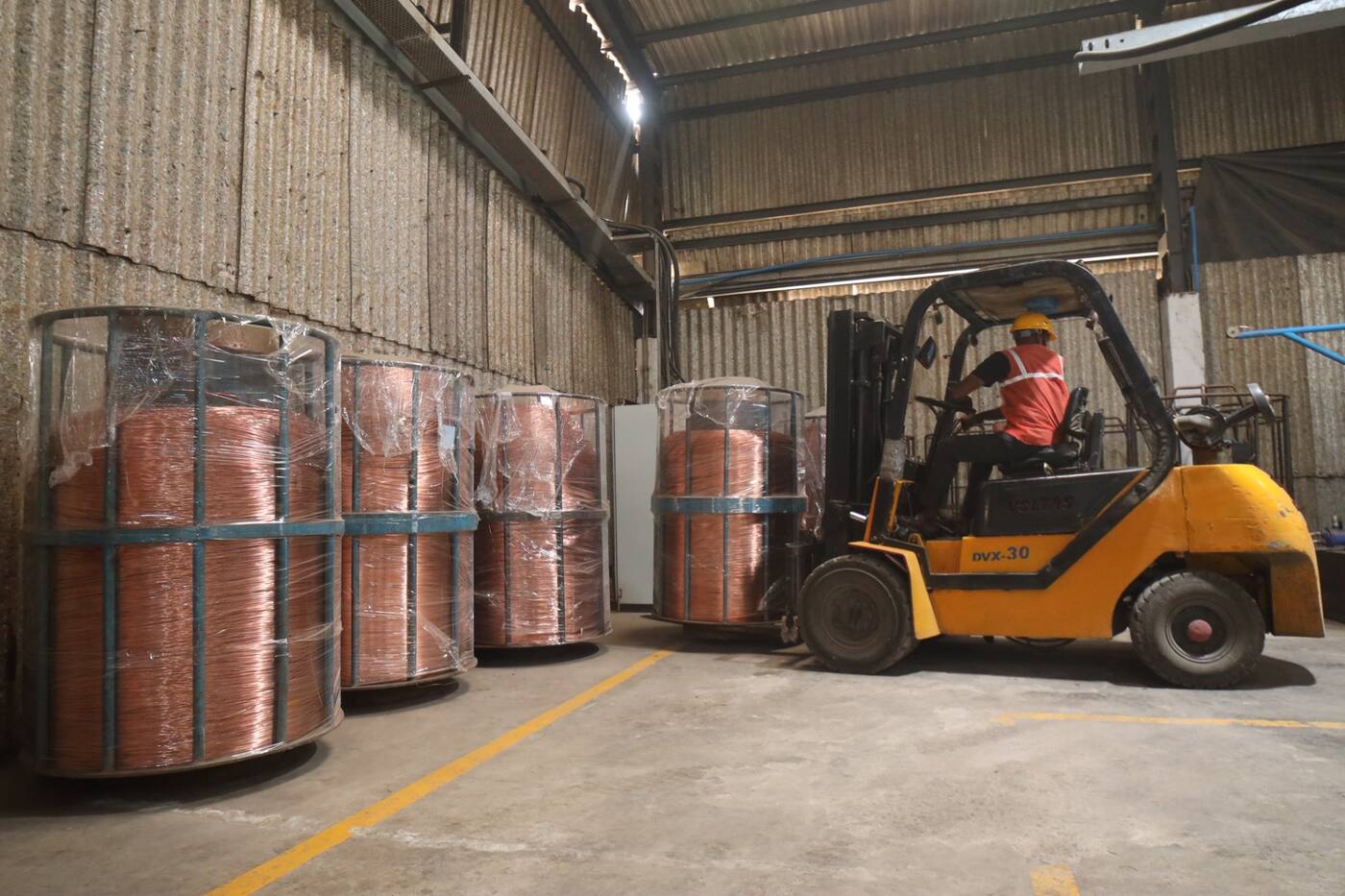
For procurement leaders managing cable sourcing for long-term infrastructure projects, copper price volatility creates a persistent challenge. Bid pricing set months in advance can be eroded by commodity fluctuations, squeezing project margins before production even begins.
The Scale of the Problem
Copper represents 50–70% of cable manufacturing cost. A 15% swing in copper prices — common over a 6-month period — can fundamentally change the economics of a cable procurement contract. Traditional suppliers with rigid pricing and long lead times leave procurement teams exposed to this volatility.
How Flexible Manufacturing Helps
A manufacturing partner with shorter lead times (3–4 weeks vs 6–8 weeks) naturally reduces copper price exposure. When you can order closer to deployment rather than months in advance, the window for price fluctuation narrows significantly.
Flexible minimum order quantities also help. Rather than committing to large volumes at a fixed price, procurement teams can place smaller, more frequent orders that track closer to current commodity pricing.
Strategic Copper Intelligence
During OEM partnership discussions, Channeltech shares copper market perspectives that help procurement teams make better timing decisions on cable orders. This isn't financial advice — it's practical manufacturing intelligence from a partner who purchases copper daily.
The Bigger Picture
Copper price volatility is just one dimension of the supply chain risk that modern procurement teams manage. Combined with geographic concentration risk, certification uncertainty, and inflexible supplier structures, it creates a compelling case for diversified manufacturing partnerships that introduce greater agility into the supply chain.